Why Tones Matter
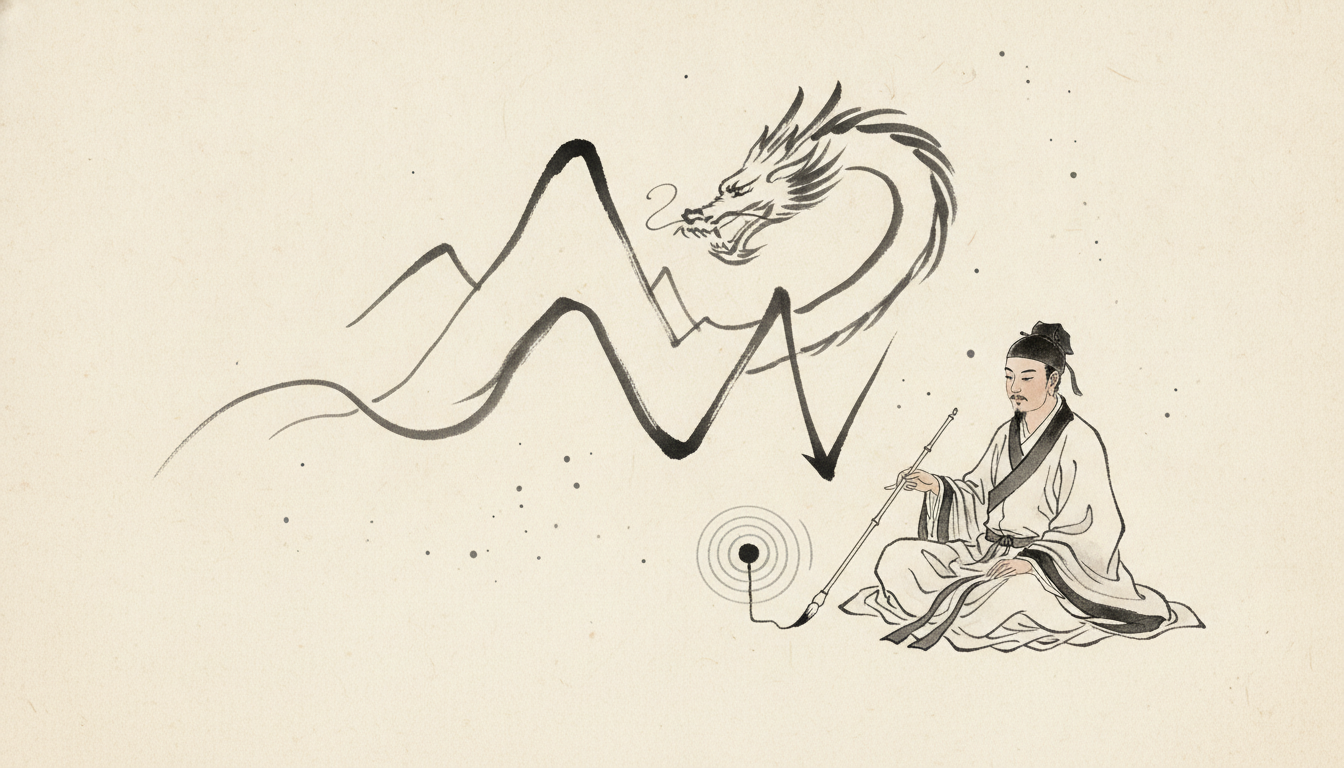
Mandarin Chinese is a tonal language - the pitch you use when saying a word changes its meaning. Learning the four tones is essential from day one. Without correct tones, even simple words become confusing or funny-sounding to native speakers.
The Four Tones Explained
First Tone (ˉ): High and flat, like singing a note. Your voice stays steady on one pitch.
- Example: 妈 (mā) = mother
Second Tone (ˊ): Rising, like asking a question in English. Your pitch goes up throughout the syllable.
- Example: 麻 (má) = hemp
Third Tone (ˇ): Dipping down then up, the trickiest one. Your voice drops then bounces back.
- Example: 马 (mǎ) = horse
Fourth Tone (ˋ): Falling sharply, like giving a command. Your pitch drops suddenly.
- Example: 骂 (mà) = to scold
Notice how 妈, 麻, 马, and 骂 sound completely different just because of the tone!
Practice Tips
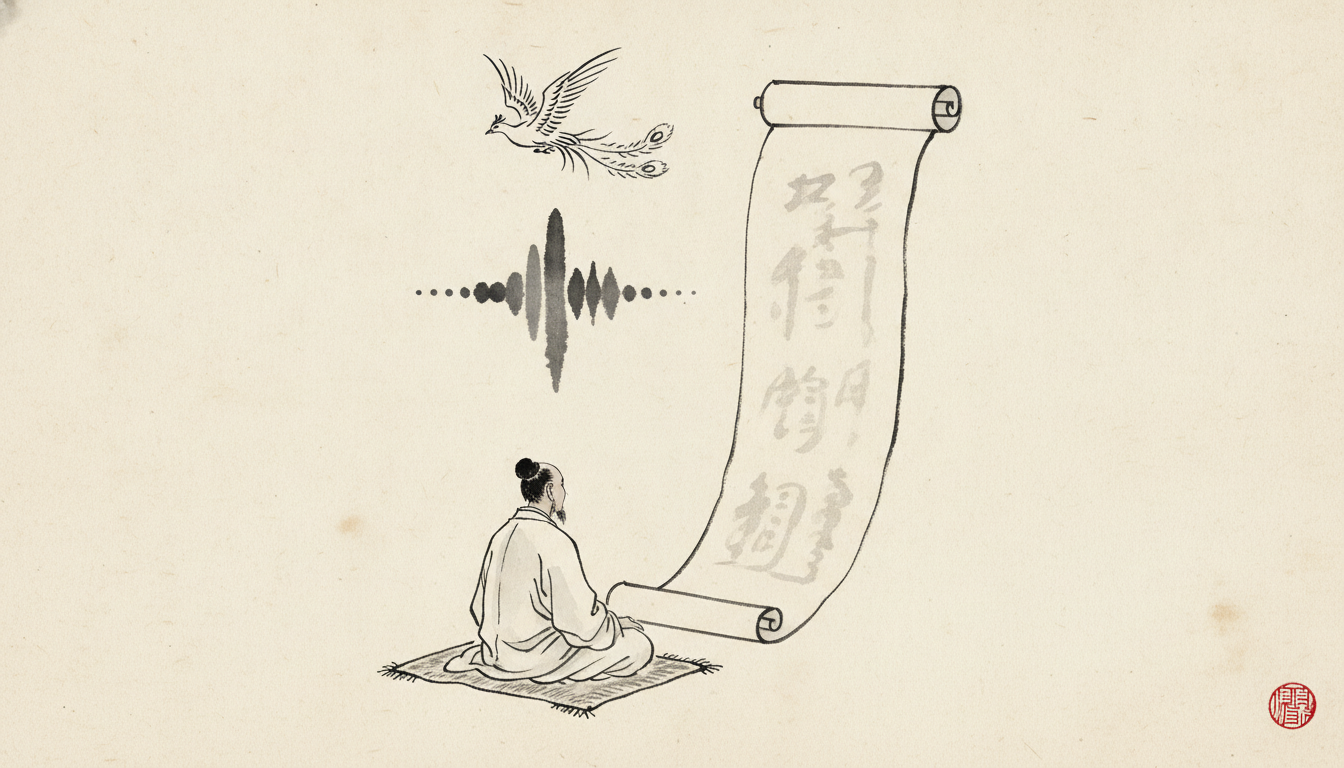
Listen actively: Use apps or YouTube videos to hear native speakers. Your ear needs to develop before your mouth can reproduce the sounds.
Exaggerate at first: Don't worry about sounding natural. Make your tones big and obvious - rise higher, drop lower, dip deeper. This helps train your muscle memory.
Repeat out loud: Reading silently won't help. You need to hear your own voice and compare it to native speakers.
Group similar tones: Second and fourth tones are most similar (both have clear direction). Third tone is unique. Practice distinguishing these pairs.
Use tone marks: Always note the tone mark when learning new words. 声调 (shēngdiào) = tone is crucial vocabulary itself!
Remember
Perfecting tones takes time - don't rush. Even advanced learners sometimes struggle with third tone. The good news? Native speakers are generally forgiving and will understand you even with imperfect tones, especially if your other pronunciation is clear. Keep practicing, and soon tones will feel natural.