What Are Radicals?
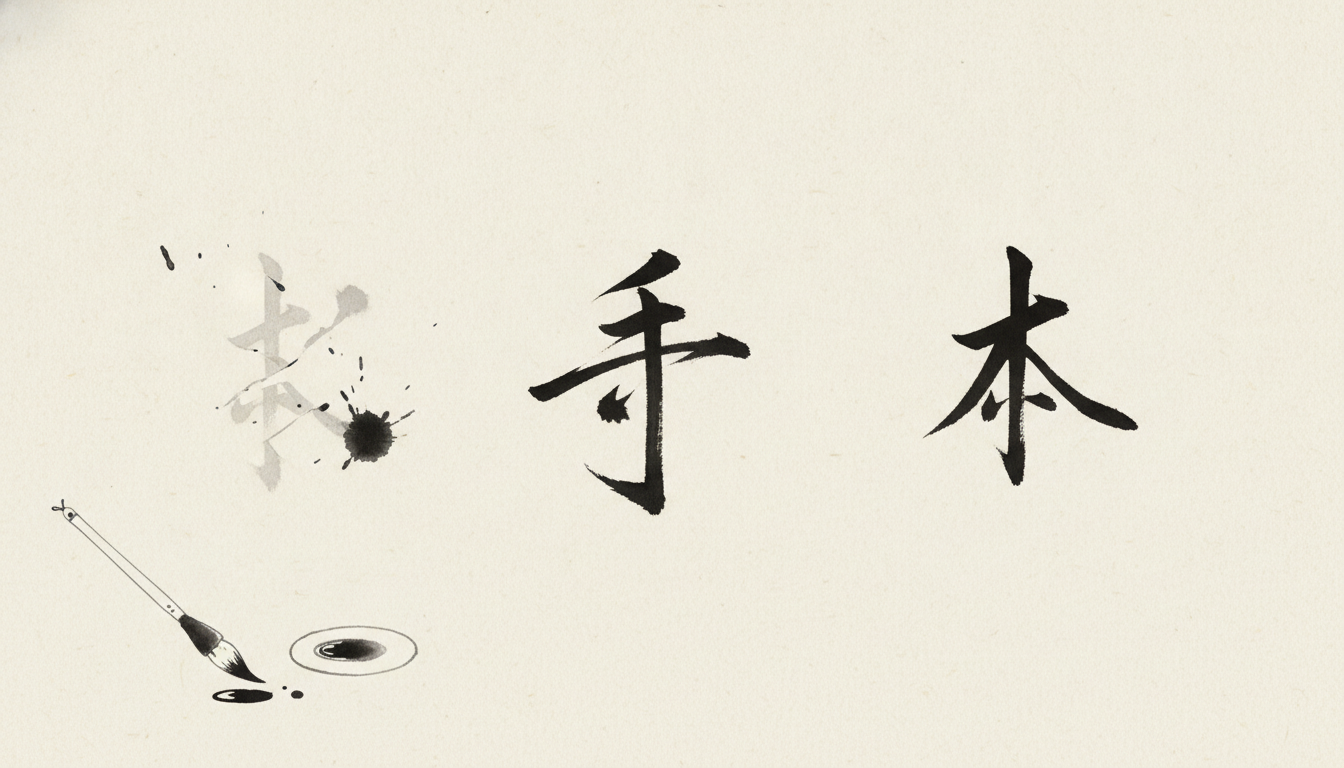
Radicals (部首, bùsh首) are the building blocks of Chinese characters. Each character is composed of one or more – visual components that often carry meaning. Understanding radicals is like learning roots in English; it unlocks patterns and helps you guess unfamiliar characters.
The Three Most Useful Radicals
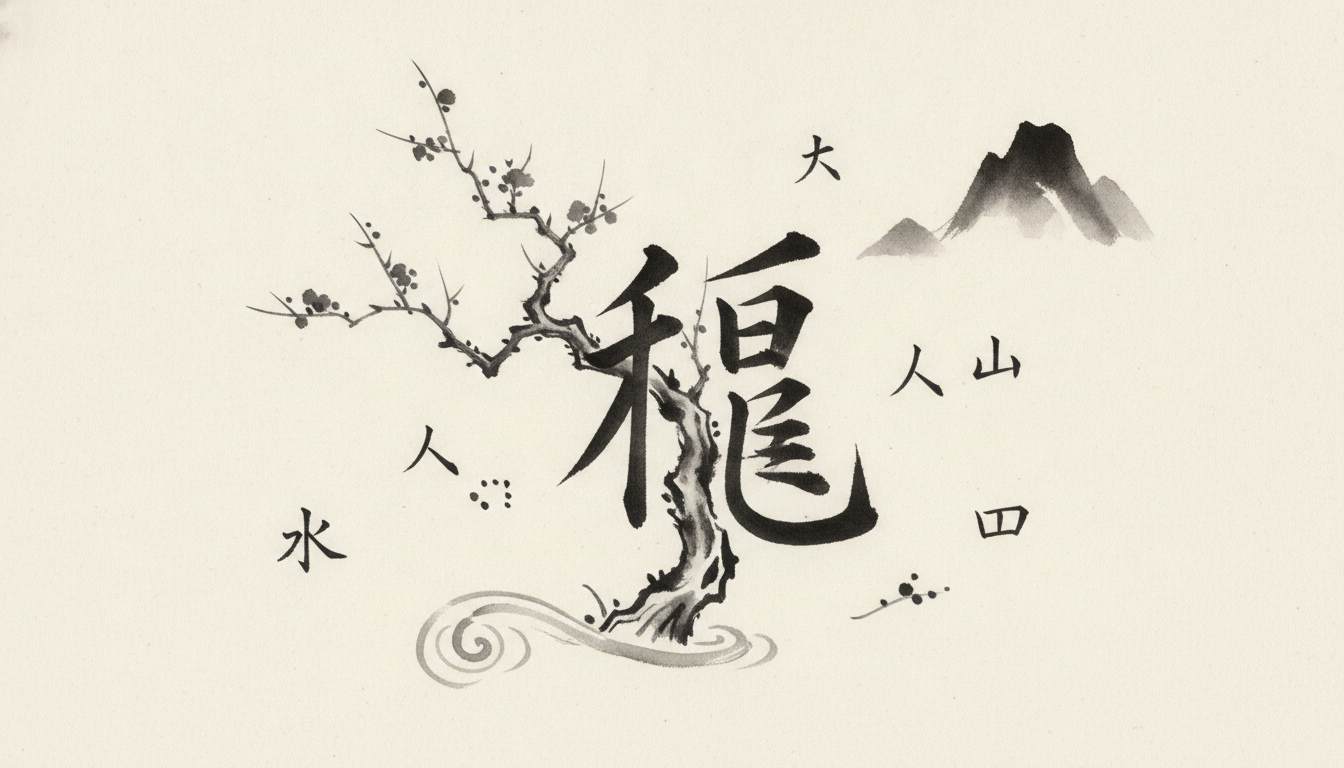
木 (mù) – Wood/Tree This radical appears in characters related to trees, plants, and wood. Examples:
- 树 (shù) = tree
- 林 (lín) = forest
- 本 (běn) = origin, root
水 (shuǐ) – Water Often written as 氵 on the left side of characters, relates to water and liquids:
- 河 (hé) = river
- 海 (hǎi) = ocean
- 冰 (bīng) = ice
火 (huǒ) – Fire Sometimes compressed as 灬, connects to heat, fire, and warmth:
- 热 (rè) = hot
- 炎 (yán) = inflammation, heat
- 灯 (dēng) = lamp
Other Essential Radicals
心 (xīn) – Heart/Emotion Characters with this radical often relate to feelings and thoughts:
- 想 (xiǎng) = to think
- 快 (kuài) = happy, fast
- 爱 (ài) = love
口 (kǒu) – Mouth/Opening This appears in words related to speech and food:
- 说 (shuō) = to speak
- 吃 (chī) = to eat
- 喝 (hē) = to drink
How to Use Radicals When Learning
- Group characters by radical – When you learn a new character, note its radical. This helps you remember similar characters together.
- Guess new meanings – See 水 in an unfamiliar character? It likely involves water or liquids.
- Use the radical to find definitions – Chinese dictionaries organize characters by radical, making lookups easier.
Practice Tip
Choose one radical each week and collect all the characters you know that contain it. This simple exercise strengthens pattern recognition and builds your vocabulary organically.
Mastering radicals transforms character learning from memorizing random pictures into understanding a logical, interconnected system. Start with these common ones, and you'll quickly notice them everywhere!