What is 被 (bèi)?
In English, we switch between active and passive voice: "I ate the apple" (active) vs. "The apple was eaten by me" (passive). Chinese uses the word 被 (bèi) to show this passive construction. It literally means "by" and marks who or what is performing the action.
The Basic Pattern
The passive structure with 被 follows this pattern:
Subject + 被 + Agent + Verb + Object
For example:
- 苹果被我吃了。(Píngguǒ bèi wǒ chīle.), "The apple was eaten by me."
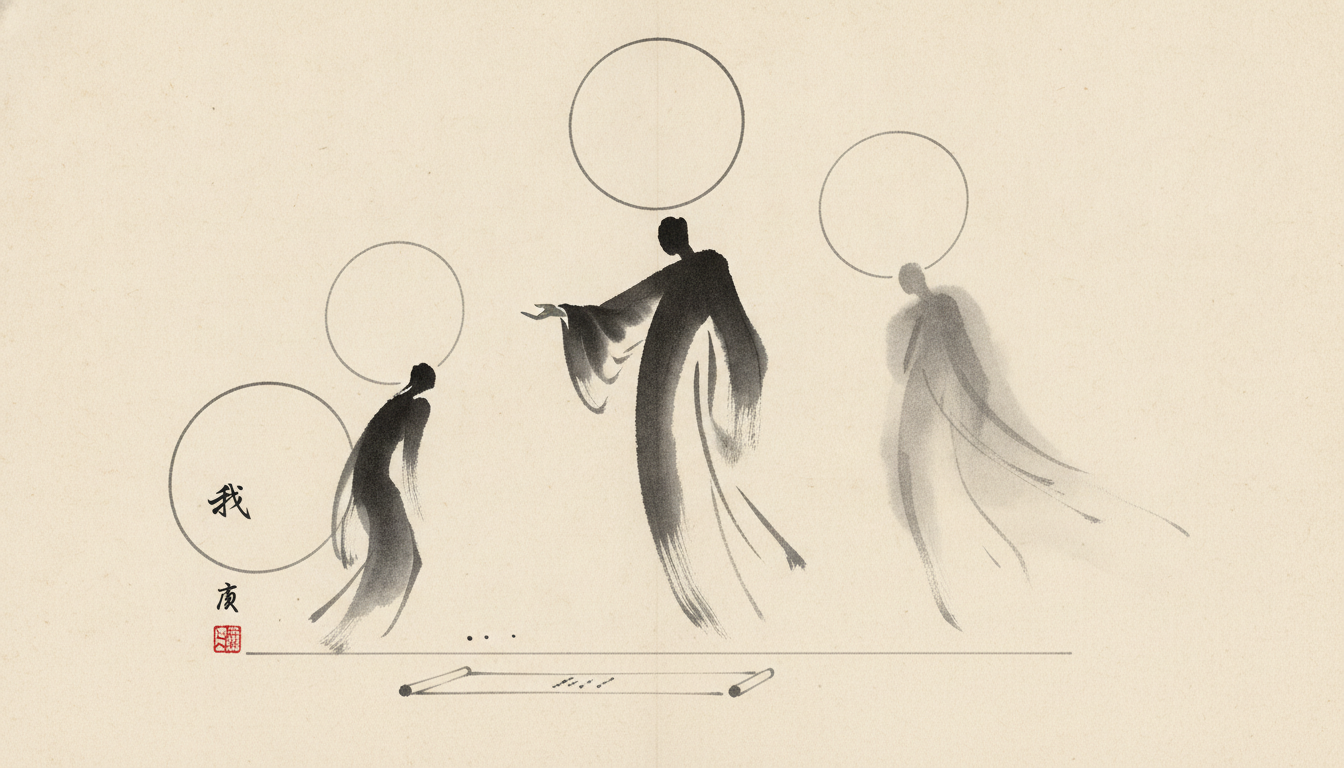
Here, 苹果 (apple) is the subject receiving the action, 被 marks the passive, 我 (I) is the agent doing the action, and 吃 (eat) is the verb.
Real Examples
Example 1: My homework was finished.
- 我的作业被我完成了。(Wǒ de zuòyè bèi wǒ wánchéngle.)
Example 2: The door was opened by Tom.
- 门被汤姆打开了。(Mén bèi Tāngmǔ dǎkāile.)
Example 3: The book was read by many people.
- 这本书被很多人读过。(Zhè běn shū bèi hěnduō rén dúguò.)
When Do You Use 被?
You'll typically use 被 when the action has negative or unpleasant consequences, you want to emphasize what happened to the subject, or the agent (who did the action) is important to mention.
For example:
- 他的手机被偷了。(Tā de shǒujī bèi tōule.), "His phone was stolen."
Omitting the Agent
You don't always need to mention who performed the action. You can say:
- 这个项目被取消了。(Zhège xiàngmù bèi qǔxiāole.), "This project was cancelled."
Here, we don't need to say who cancelled it.
Practice Tip
Start by identifying: What is receiving the action? That's your subject. Then use 被 + agent + verb to complete the sentence. With practice, passive constructions become natural!