 5 Common Mistakes English Speakers Make Learning Chinese
English speakers often struggle with Chinese because the languages work very differently. Learn the top 5 mistakes to avoid and improve your Chinese faster.
 Tricky Initials: zh/ch/sh/r vs z/c/s Explained
Master the difference between Chinese retroflex and sibilant consonants. Learn when to use zh/ch/sh/r versus z/c/s with clear examples and pronunciation tips.
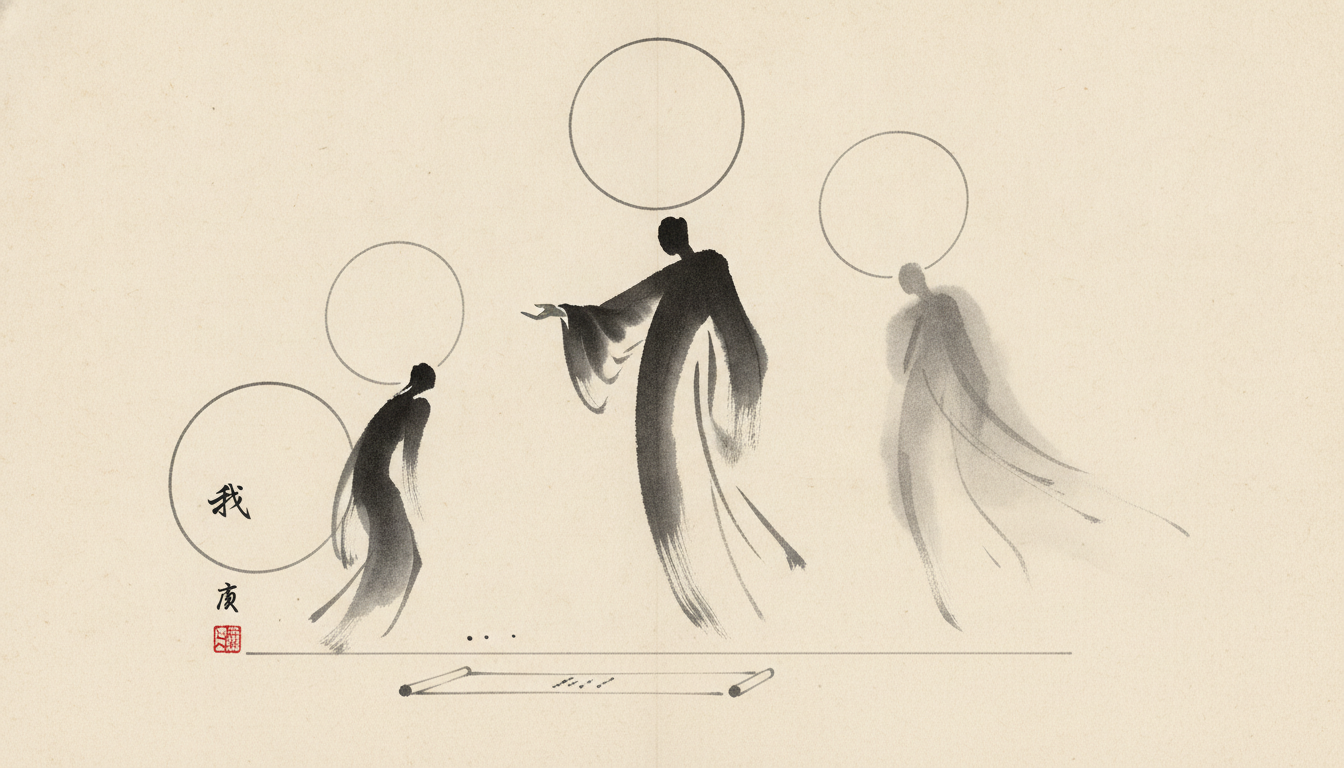 Chinese Personal Pronouns: Choosing the Right Word
Learn which pronouns to use in different situations. Discover how 我, 你, 他 change meaning based on politeness and context - essential for respectful Chinese communication.
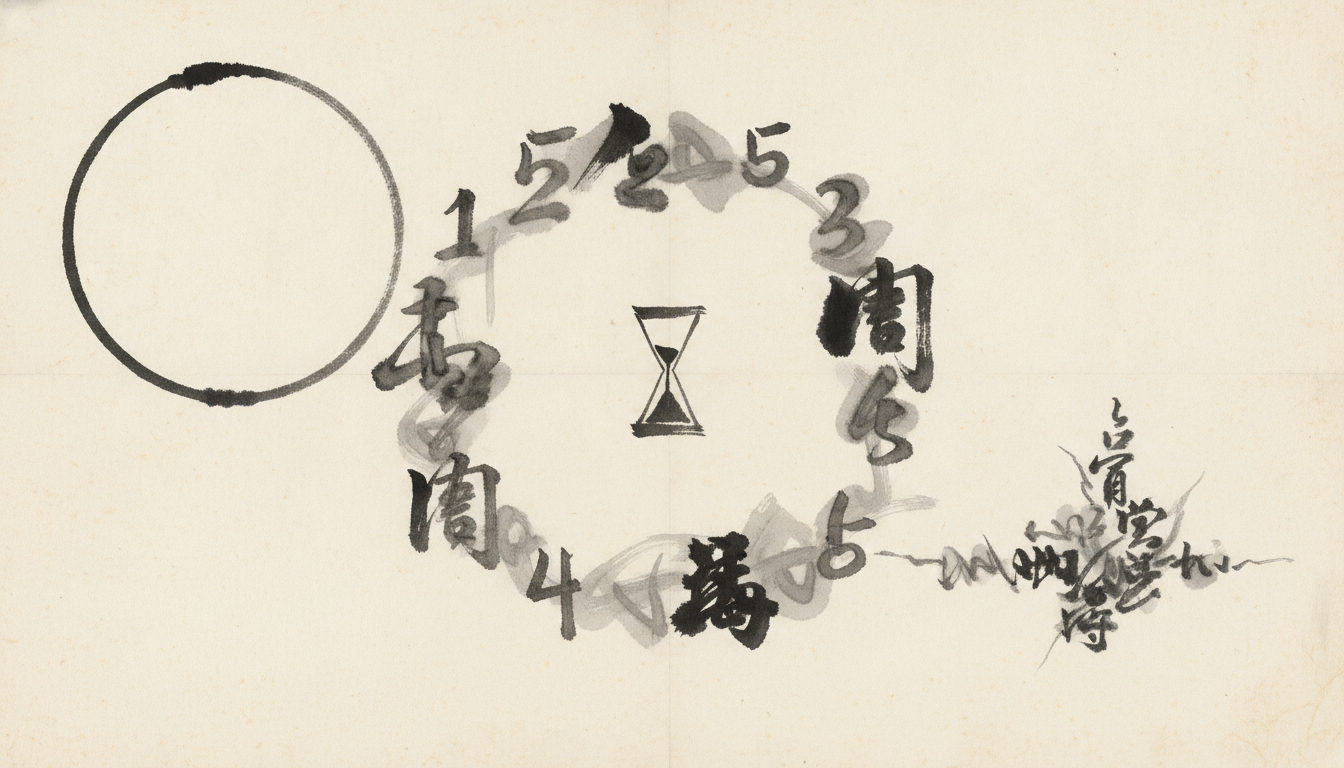 Numbers, Dates, and Time in Mandarin Chinese
Learn how to read and write numbers, dates, and time in Mandarin. Master essential vocabulary and patterns for everyday conversation about when things happen.
 Understanding 被 (bèi): Chinese Passive Voice Made Simple
Learn how to use 被 (bèi) to express passive voice in Chinese. We break down the structure with clear examples so you can understand who is doing the action.
 Typing Chinese: Pinyin Input Methods for Phones & Computers
Learn how to type Chinese characters using pinyin input methods. We'll guide you through setting up pinyin IME on your phone and computer so you can write Chinese easily.
 Result Complements: Expressing Outcomes in Mandarin
Learn how to use result complements in Mandarin to describe what happens after an action. Master key patterns like 看到 (see), 听到 (hear), and more with real examples.
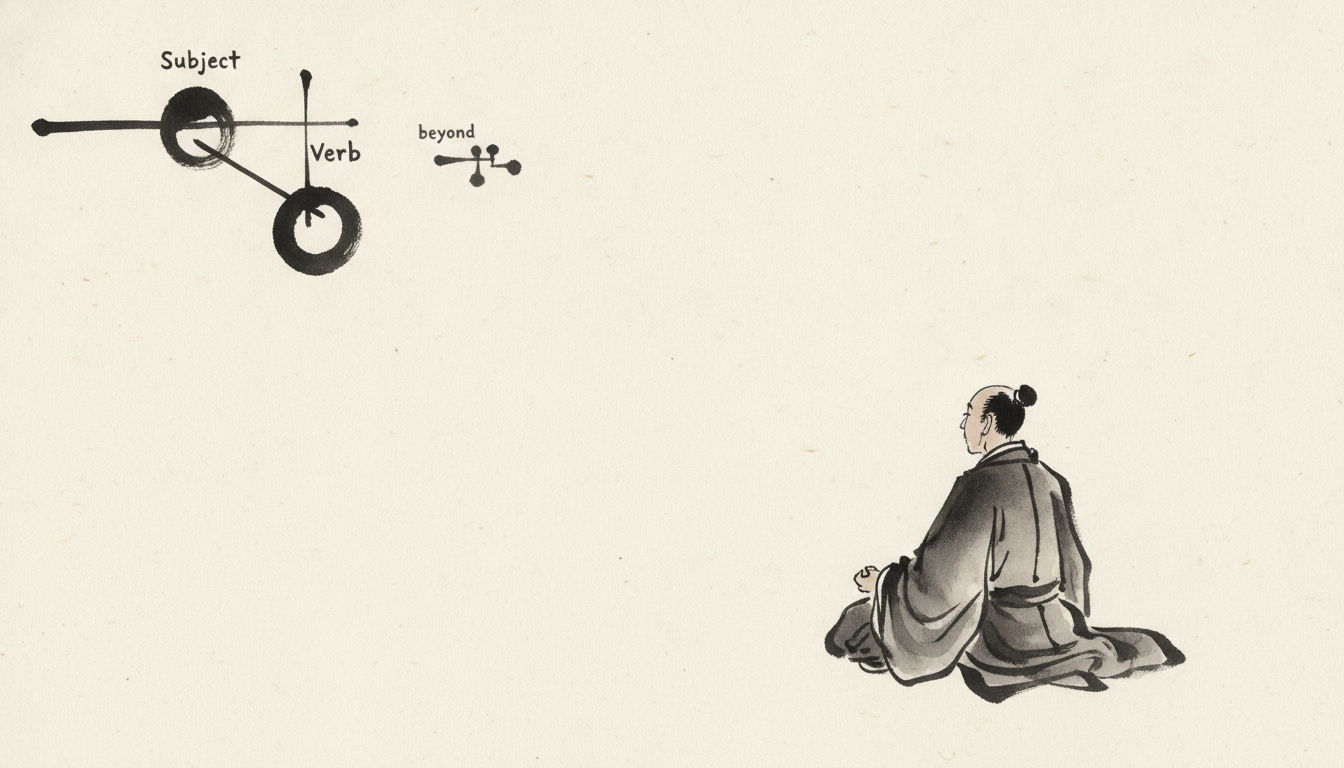 Chinese Sentence Structure: SVO and Beyond
Learn how Chinese builds sentences with Subject-Verb-Object order, plus key patterns that go beyond the basics to express time, location, and more.
 Understanding 了 (le): Two Ways to Use It
The particle 了 (le) is one of the trickiest parts of Chinese grammar for beginners. Learn when it marks completed actions versus changes in state, and start using it correctly today.
 Simplified vs Traditional Chinese: Which Should You Learn?
Confused about simplified versus traditional Chinese? Here's what you need to know to choose the right version for your learning goals.
 Mastering 把 (bǎ): Essential Grammar for Daily Chinese
Learn how to use 把 (bǎ) sentences to describe actions and results. This essential grammar pattern helps you talk about what you do with objects in natural, everyday Chinese.
