Why HSK 3 Vocabulary Matters
requires around 600 characters and 1,200 vocabulary items. This might sound like a lot, but it's very manageable with a focused strategy. Many HSK 3 words build directly on HSK 1 and 2 foundations, so you're not starting from zero.
Study by Category, Not Randomly
The biggest mistake learners make is studying random word lists. Instead, group vocabulary thematically:
- Daily life: 家 (jiā - home), 饭 (fàn - rice/meal), 睡觉 (shuìjiào - sleep)
- Actions: 买 (mǎi - buy), 走 (zǒu - walk), 工作 (gōngzuò - work)
- Descriptions: 大 (dà - big), 冷 (lěng - cold), 漂亮 (piàoliang - beautiful)
Learning related words together helps your brain build connections. You'll remember 买 (mǎi - buy) better when it's with 卖 (mài - sell) and 钱 (qián - money).
The 80/20 Rule for HSK 3
Focus on the highest-frequency 300 words first - they appear in about 80% of HSK 3 tests. Master these before diving into obscure vocabulary. Common words like 人 (rén - person), 时候 (shíhou - time), and 因为 (yīnwèi - because) are test staples.
Your 8-Week Study Plan
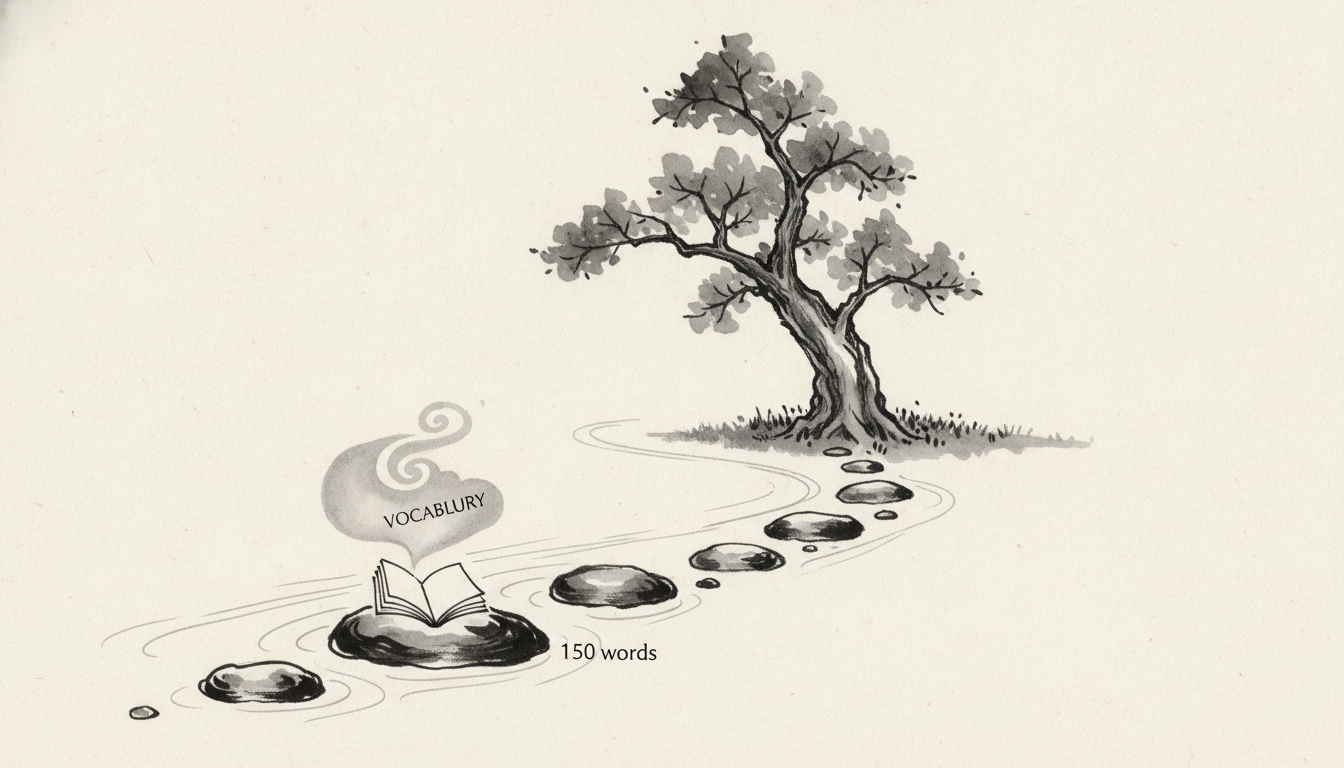
Weeks 1-2: Learn 75 new words (daily life + basics). Review daily.
Weeks 3-4: Add 75 more (actions + verbs). Keep reviewing earlier words.
Weeks 5-6: 75 more (descriptions + adjectives). Do timed reviews.
Weeks 7-8: Final 75 words + to evaluate your progress. Focus on weak areas.
Spend 30 minutes daily maximum - consistency beats long cramming sessions.
Tools That Work
Use spaced repetition apps (like Maobi!) that show harder words more often. Test yourself frequently. Try writing simple sentences: 我买了一个漂亮的杯子 (Wǒ mǎile yīgè piàoliang de bēizi - I bought a beautiful cup).
Review Strategy
On day one, review after 1 hour. Day two: review again. Day three: review. Then space reviews to 1 week, 2 weeks, and monthly. This scientifically proven method keeps words in long-term memory.
Start now, stay consistent, and you'll pass HSK 3 confidently!