Learn how to type Chinese characters using pinyin input methods. We'll guide you through setting up pinyin IME on your phone and computer so you can write Chinese easily.
Learn how to use result complements in Mandarin to describe what happens after an action. Master key patterns like 看到 (see), 听到 (hear), and more with real examples.
Unlike English, Chinese verbs don't change form with tense or person. Instead, aspect markers show whether an action is completed, ongoing, or habitual. Master these small words to speak natural Chinese.
·
Radicals are the building blocks of Chinese characters. Learning the 50 most common ones will help you recognize and write thousands of characters faster.
·
Learn how Chinese tones shift when words combine. Understand tone sandhi rules to sound more natural and understand native speakers better.
·
Master the essential 150 HSK 1 words and start speaking Chinese confidently. Learn the most common everyday vocabulary that forms the foundation of beginner Chinese.
·
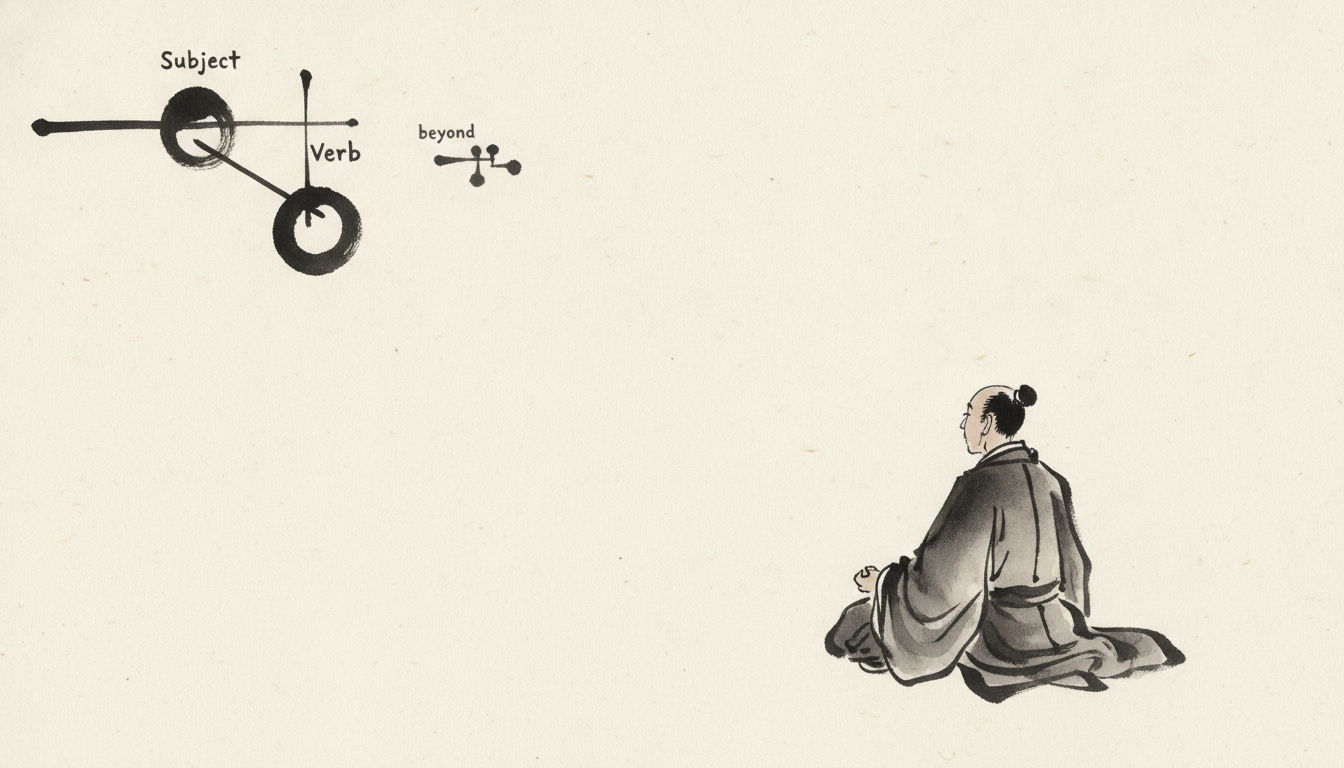
Learn how Chinese builds sentences with Subject-Verb-Object order, plus key patterns that go beyond the basics to express time, location, and more.
·
The particle 了 (le) is one of the trickiest parts of Chinese grammar for beginners. Learn when it marks completed actions versus changes in state, and start using it correctly today.
·
Master Chinese pronunciation with this practical pinyin guide. Learn the vowel sounds, consonants, and tone marks that make up pinyin, with comparisons to English sounds you already know.
·
Confused about simplified versus traditional Chinese? Here's what you need to know to choose the right version for your learning goals.
·
Measure words (classifiers) are unique to Chinese. Learn the most common ones like 个, 只, 条, 张, and 杯 to speak Chinese naturally and accurately.
·
Learn how to use 把 (bǎ) sentences to describe actions and results. This essential grammar pattern helps you talk about what you do with objects in natural, everyday Chinese.
·
Chinese characters are built from smaller components called radicals. Learning the most common radicals helps you recognize patterns, guess meanings, and memorize characters faster.
·
Learn how to distinguish and pronounce Mandarin's four tones. Understanding tone marks and practicing with real examples will help you speak clearly and avoid confusing meanings.
·
New to Chinese? Learn the essential steps to begin your journey, from mastering pinyin to building a foundation with HSK 1-4 vocabulary and grammar.